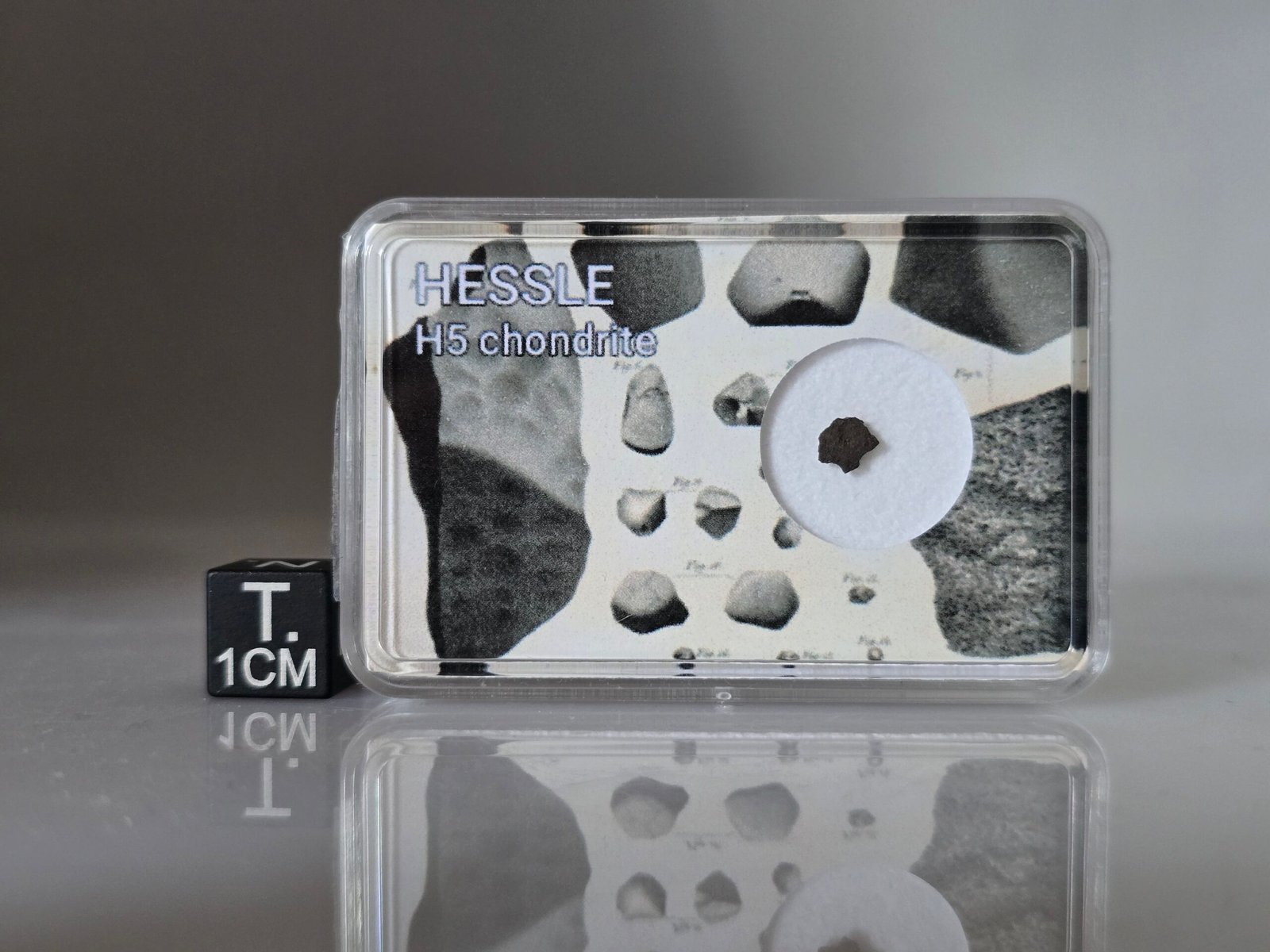
Description
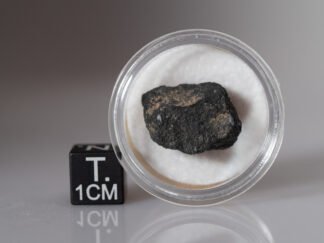
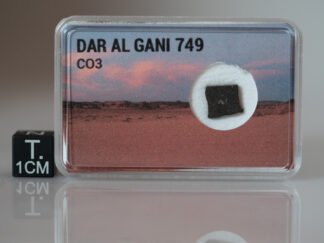
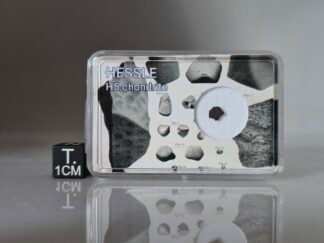
0.031g fragment with crust. Sold in a box with label/certificate
Fell, 1 January 1869; 20 kg
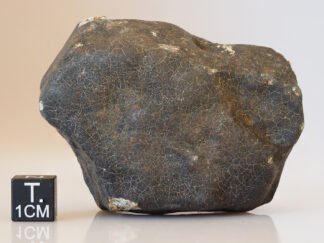
After detonations, a shower of stones fell over a 5 x 15 km wide region (largest fragment ~ 1.8 kg). A few pieces fell upon ice without breaking the ice and were accompanied by powdery dark carbonaceous dust. The primary constituents are, as expected, olivine and orthopyroxene in chondrules and matrix accompanied by accessory troilite, plagioclase, and Fe-Ni metal. Much of the earlier reports were in Scandinavian journals, but details of silicates and opaques occasionally appear in English (Cf., esp. Ramdohr, 1973).