Description
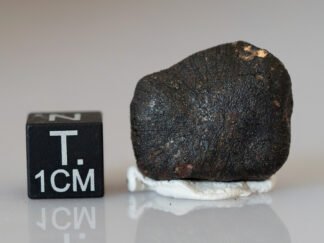
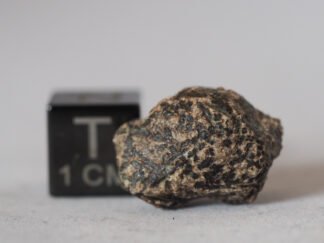
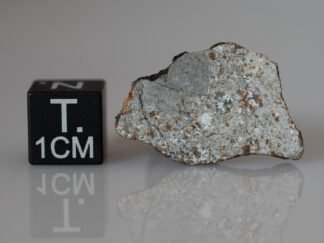
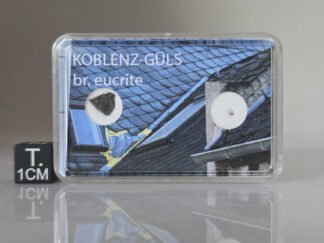
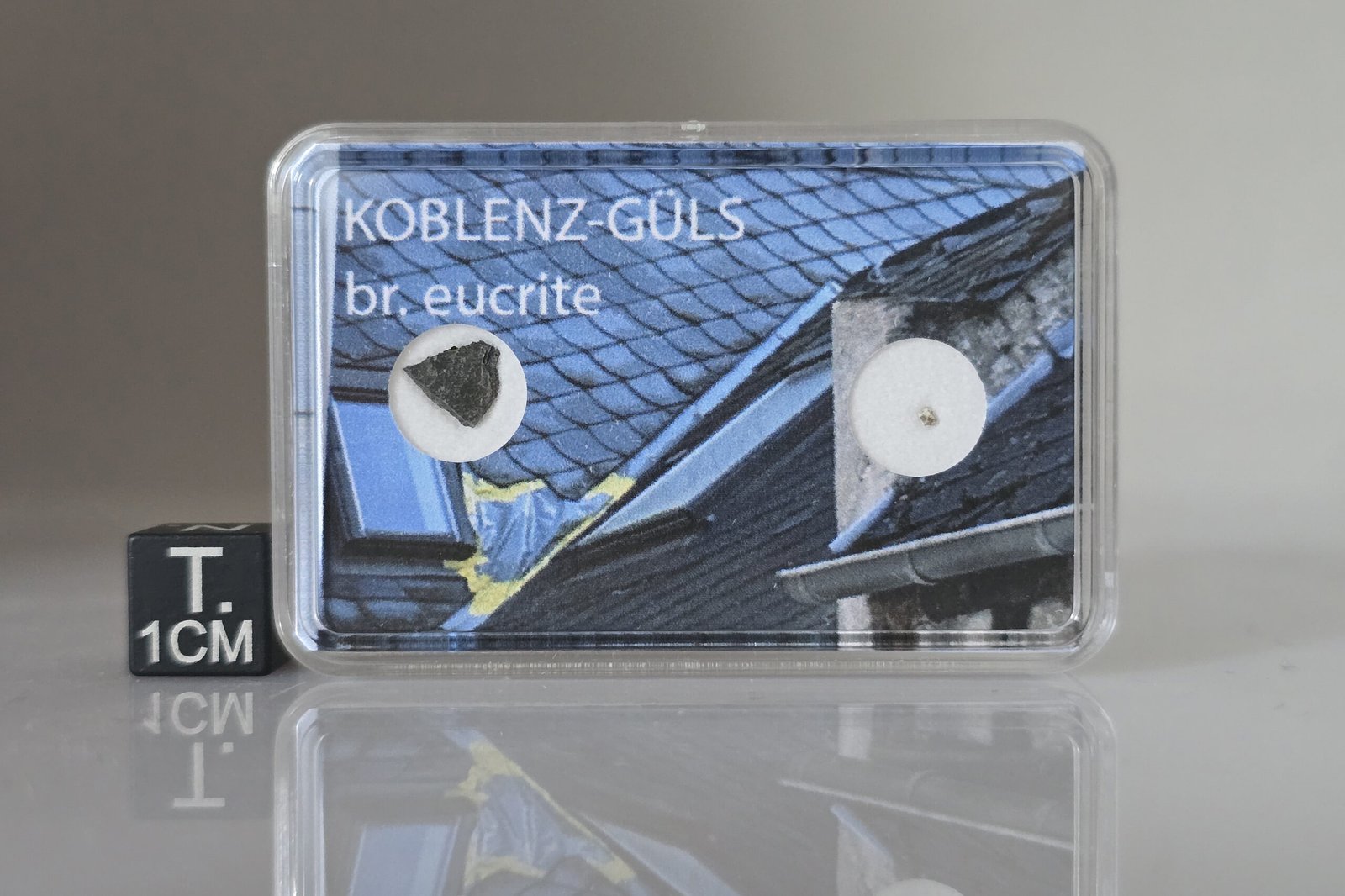
Fragment of the Koblenz meteorite + fragment of the roof tile broken by the meteorite.
Extremely low availability.
# The Koblenz Meteorite Fall (Germany) – March 8, 2026
The Koblenz meteorite fall is one of the most remarkable meteorite events observed in Europe in recent years. It is particularly noteworthy because it was a witnessed fall, with rapid recovery of fragments and documented property damage—a relatively rare occurrence in meteoritics.
## 1. The Meteor: A Fireball Visible Across Western Europe
On Sunday, March 8, 2026, at 6:55 p.m. Central European Time (CET), a spectacular fireball (bolide) crossed the sky over western Germany. The phenomenon was observed from several countries, including Germany, France, Belgium, Luxembourg, the Netherlands, and Switzerland. More than 2,800–3,200 reports were submitted to the International Meteor Organization.
Witnesses described:
* An extremely bright luminous trail;
* Several brilliant flashes during fragmentation;
* Sonic booms heard several seconds after the fireball passed.
Preliminary estimates suggest that the original object was probably more than one meter in diameter, and possibly several meters across according to some analyses. As it entered Earth’s atmosphere at tremendous speed, it fragmented at an altitude of approximately 50 km due to aerodynamic stresses.
## 2. The Meteorite Fall to the Ground
Following the breakup of the bolide, several fragments survived atmospheric entry and fell in the German state of Rhineland-Palatinate.
The affected area included:
* Koblenz;
* The Eifel region;
* The Hunsrück region;
* Several surrounding areas.
The most dramatic event occurred in the Güls district of Koblenz.
A meteorite fragment:
1. Penetrated the roof of a house;
2. Created a hole approximately the size of a soccer ball;
3. Entered a bedroom.
Fortunately, the occupants were in another room at the time of impact, and no one was injured.
Emergency services and police received an unusually high number of calls reporting the fireball and accompanying sonic explosions. Authorities quickly ruled out the possibility of an aircraft accident or any hostile event.
## 3. Discovery of the Fragments
Scientific interest was immediate, as freshly fallen meteorites are minimally altered by the terrestrial environment.
Beginning on the evening of March 8 and continuing over the following days, several fragments were recovered around the impacted house. The first pieces were publicly presented by the police shortly after their discovery.
### Number of Fragments
Search efforts led to the identification of eleven main fragments attributed to the meteorite.
### Mass of the Fragments
The recovered fragments ranged in mass from 6 grams To 161 grams.
The largest specimen was approximately the size of a tennis ball.
Smaller fragments and meteorite dust were also recovered in the immediate vicinity.
### Distribution
Fragments were found:
* Inside the house;
* On the property surrounding the residence;
* In neighboring yards.
This distribution confirmed that the meteoroid had undergone substantial fragmentation during atmospheric entry.
## 5. Who Owns the Fragments?
Under German law as applied in this case, meteorite fragments recovered on private property belong to the owner of the land or building where they are found.
On March 10, 2026, police officially returned the eleven main fragments to the owner of the impacted house. Scientists soon expressed strong interest in studying the specimens.